

Lights Out. Brain On.
What your nervous system is doing after dark (and a weird way to help)

You know the feeling.
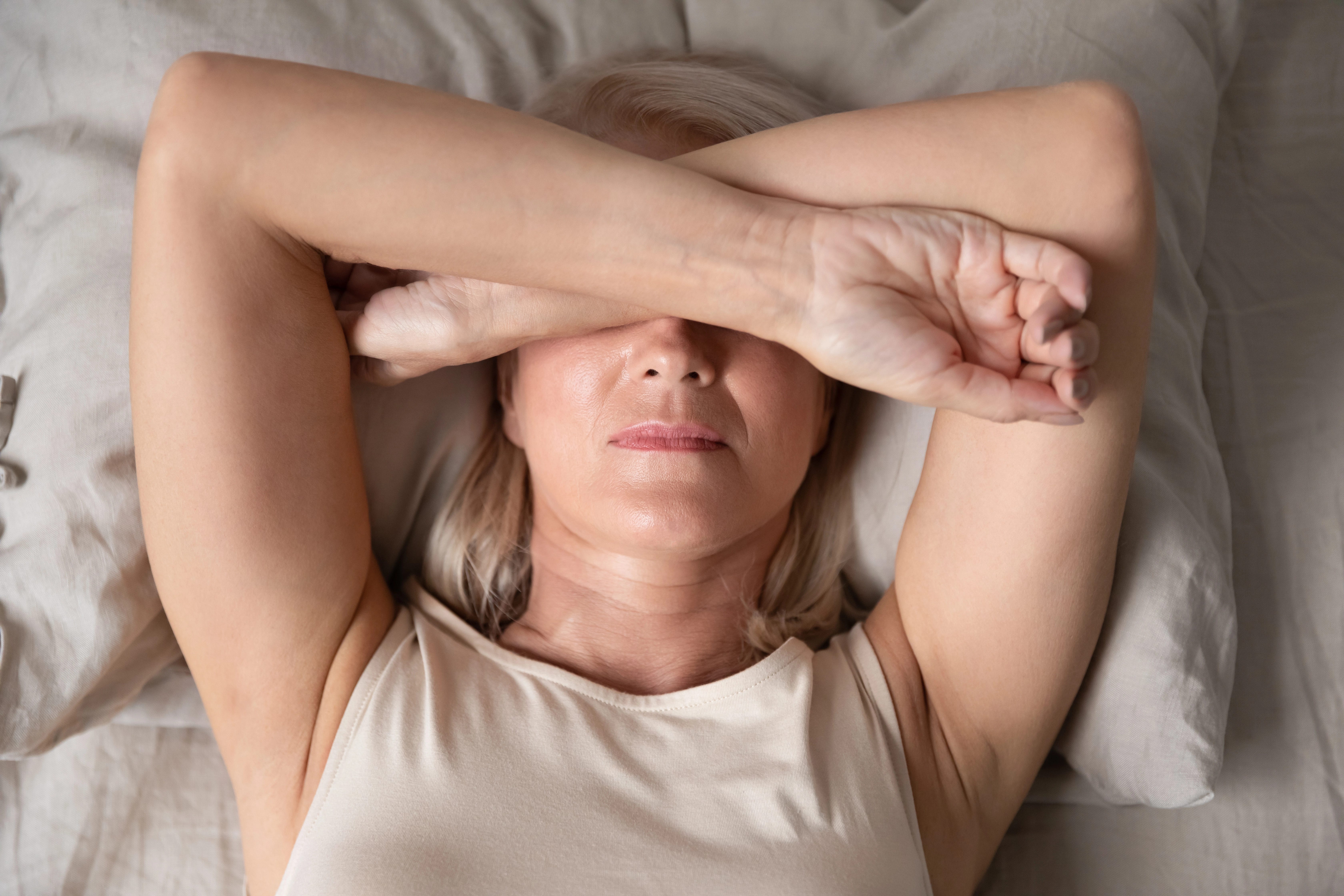
It’s late, and you’re tired. Truly tired, not just telling yourself to go to sleep. You get into bed… close your eyes… and then your brain announces it has 23 things to discuss.
Tomorrow’s meeting. The thing you said in that conversation last week. Whether you turned off the downstairs light. A memory from 2011 that has absolutely no reason to surface and yet whoomp, there it is.
You tell yourself to stop. You breathe (kind of). You check your phone, feel guilty about it, put it down, try again.
It’s not a character flaw. This is your nervous system is doing its job. The job happens to be wildly inconvenient at 11pm.
Your Nervous System Can’t Tell Time
The autonomic nervous system – the part running your heart rate, digestion, breathing, and most of what happens in the background of your daily existence – doesn’t operate on a schedule. It responds to signals.
During the day, most of us spend a good stretch of time in sympathetic activation: alert, responsive, ready to handle whatever shows up. There’s an extent to which that’s necessary and useful.
But this state is not one your nervous system exits automatically just because you changed into pajamas and turned off the light.
The system needs a cue.
Convincing yourself “okay, I’m going to sleep now” is not a physiological cue. It’s a thought. Thoughts are sentences that move through the prefrontal cortex. Meanwhile, the autonomic nervous system is based in your hypothalamus – a different part of your brain.
This is why so many people struggle to unwind at night. They’re trying to shift a body state using thought alone. And then they feel guilty when it doesn’t work!
Why Thinking Doesn’t Cut It
Your prefrontal cortex can read every sleep hygiene article on the internet, understand that you need at least seven solid hours, and sincerely intend to wind down. None of that changes your heart rate, your cortisol levels, or where your nervous system is sitting.
And being based in two different parts of the brain means the cognitive layer and the autonomic nervous system don’t always operate in tandem. Remember how your nervous system doesn’t calm down based on a schedule? It also doesn’t calm down just because you tell it to.
What the nervous system does respond to is physiology: muscle tension, breath rate, the length and pace of your exhale. These inputs travel through different pathways and speak a language the body actually understands.
A Weird Way to Settle In for Sleep
Chandra Bhedana translates to “moon-piercing breath”. Sounds poetic, but not especially meaningful until you discover that it’s left nostril breathing. This is one of the more “feels weird at first” techniques I teach. It’s also one of the more consistently effective for sleep.
The practice is exactly what it sounds like: closing off one nostril and breathing only through the other. Preliminary research (alongside the anecdotal evidence that comes along with thousands of years of practice) suggests that left nostril breathing activates the parasympathetic (rest and digest) branch of the nervous system.
Ready to stop your brain from bouncing around like a pickleball?
Find a comfortable position. Lying down is perfect, especially if you’re getting ready to sleep. Use your right thumb to gently block your right nostril. Your left nostril stays completely open.
Inhale slowly through the left nostril for a count of five or six. Steady and even, no forcing.
Exhale through the left nostril for the same length of time, a count of five or six. Let it go all the way before the next breath begins.
Start with six breaths, and if you like it, add a few breaths at a time, aiming to get to 10-15. If you care more about duration, start with a minute, then work your way up to 3 minutes by adding a few breaths at a time.
Try it and see if you notice a shift: muscles loosening, eyelids getting a little heavier. That litany of thoughts running through your brain getting slower and quieter. A lot of people find that this technique helps them feel a little cooler as well if they’re running warm.
You don’t have to believe this will work. Your nervous system doesn’t require your buy-in; it just responds to input! Go for it and see. You have nothing to lose but a few restless minutes when you’re not sleeping, anyway.
(Note: avoid this technique if you’re pregnant or have heart conditions, low blood pressure, asthma, bronchitis, or a cold.)
Last Gasp
“There is a time for many words, and there is also a time for sleep.” — Homer, The Odyssey
The Breathing & Balance Hub includes sleep-specific breathwork sessions that are short enough to do at 11pm, and practical enough to actually work. Ready to start sleeping better this week? Join here.
I always fall asleep just fine. My mind likes to wake me up about 2 or 3am and I have the hardest time going back to sleep. I'm gonna try this tonight.