


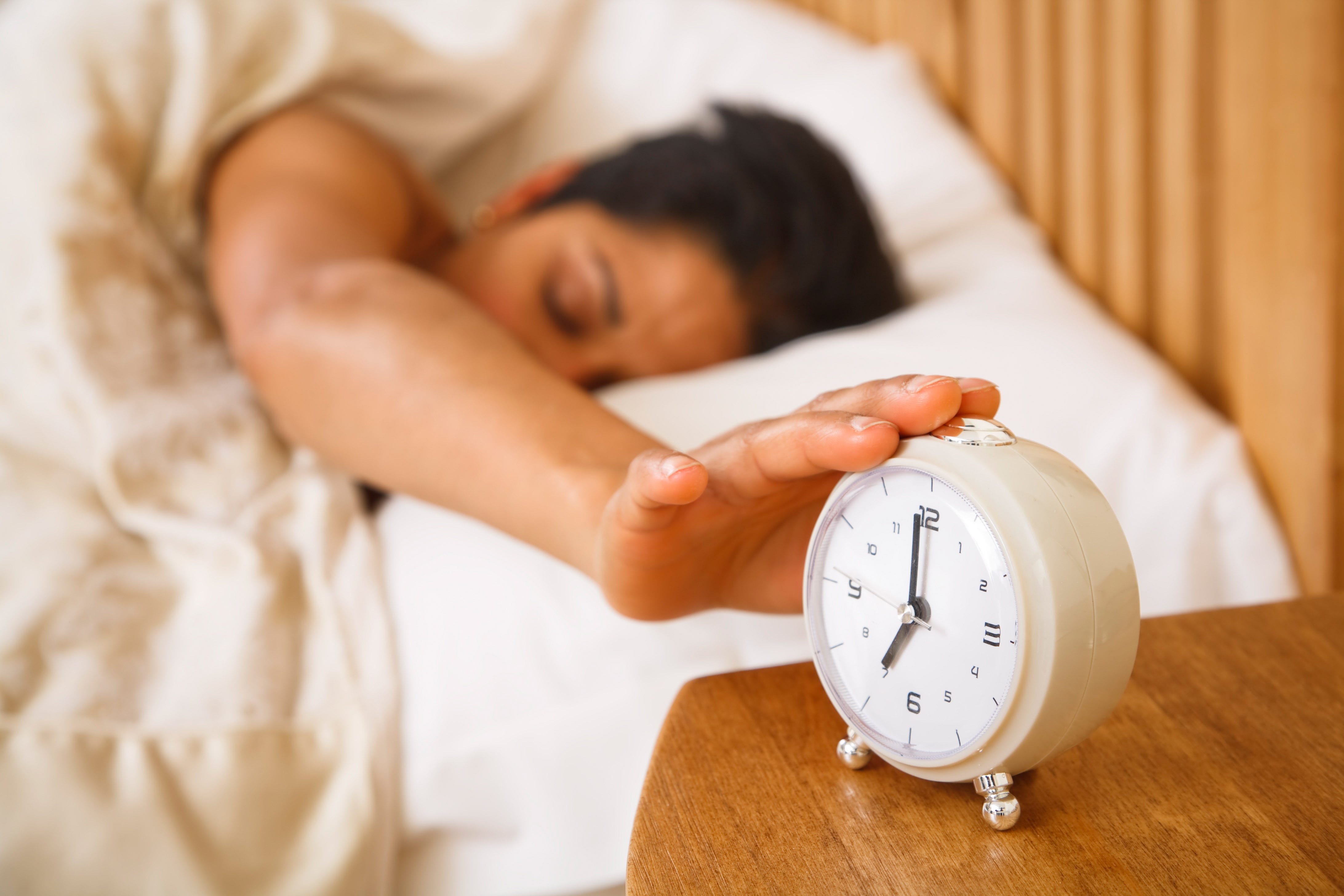
Is it just me, or is that moment the alarm goes off one of the toughest of the day?
Your eyes open. Whether natural or electric, the light feels aggressive either way. Your breathing is a little fast, a little shallow. There’s a subtle sense of readying for action – like a computer booting up, fans humming before the screen fully loads.
No wonder it’s disconcerting. There’s a lot going on here before your feet even touch the floor!
Then, about 30–45 minutes after you wake up, your cortisol awakening response kicks in. This huge hormonal spike (an increase of anywhere from 50-160%!) is part of your circadian rhythm, and it’s an important part of the shift from sleep to wakefulness.
So as you get going into your day, you start feeling alert. Your heart rate and blood pressure rise.
We tend to read these as signs of stress.
What it really is, is sympathetic nervous system activation.
So instead of spiraling into anxiety, urgency, and bracing before anything has even happened – easy as that may be – what if we leaned into that activation?
The Point Isn’t Calm, It’s Control
You’re already waking up. Your nervous system is already shifting toward alertness.
The question isn’t whether that should happen. It’s about how you decide to participate in it.
Most of us opt out by default. We either ignore this moment and launch straight into movement, coffee, email… or we immediately try to calm it down.
I’ve got a better idea for what to do with this time:
Set the breathing pattern that will likely carry into the first hour of your day.
Sounds fascinating, doesn’t it?
And also like work. But I promise, this is easy – and worth doing.
When you move from lying down to sitting or standing, your breathing mechanics change. Gravity shifts how your diaphragm is loaded. Blood pressure regulation kicks in. Your body activates slightly to help you get upright.
In making that transition, breathing often becomes a bit quicker and a bit higher in the chest. It just happens automatically.
If your first upright breaths are small and upper-chest dominant, that activation can persist. You may find your neck a little tight, your jaw already working, your shoulders subtly elevated before you’ve even brushed your teeth.
Nothing catastrophic… but also not how you’d ideally want to feel at the beginning of a day.
I Don’t Recommend This Very Often
Before coffee. Before your phone. Hell, before you even stand up if you feel like it:
Spend one minute focusing on taking some deep nasal breaths.
On each one, let the inhale be fuller than usual. Feel your ribs widen. Let your diaphragm descend and your chest expand without forcing it.
Then allow the exhale to fall away naturally. Don’t control it. Don’t lengthen it. Just let it go.
Optional: stretch your arms overhead as you inhale. Lower them as you exhale.
That’s it.
90%+ of the time I tell you to focus on the exhale, this time I’m telling you to pay attention to the inhale. Breathing this way at this point in your day is aligned with what your body is already doing, but now you’re setting the pace.
Giving the diaphragm the first move instead of letting accessory muscles take over. Establishing a steady rhythm before posture, movement, and screens speed it up.
You’re not wrestling with your biology, but guiding it. Just starting the day with mechanics that support you instead of letting your default take over.
Small difference. Noticeable impact.
Being Activated Isn’t Always a Bad Thing
Nervous system activation is not the enemy. It’s fuel.
But fuel without direction can feel jittery.
So for the next few days, when you wake up, give yourself this super simple objective: to breathe in attunement with what your body is already doing anyway.
And see if you notice any changes.
If your first half hour feels less bleary…
Or if your breathing stays fuller…
Or if there’s even the tiniest bit less neck and shoulder tension by mid-morning…
Those are subtle, yet very practical wins.
Simply from working with your physiology for a change.
Want more everyday tools that work with your nervous system instead of fighting it?
Download your free 5 Breaths in 5 Minutes kit here.
Last Gasp
“Only dull people are brilliant at breakfast.”
— Oscar Wilde